
FOCUS
A scalable approach to literacy coaching (ONLINE EXCLUSIVE)
By Suzanne Myers, Jocelyn Washburn, Haiying Long and Amber Rowland
Categories: Coaching, Instructional materials/curriculum, Online learningJune 2026

To date, at least 40 U.S. states have adopted legislation calling for schools to align literacy instruction with a set of science-based practices and principles commonly referred to as the science of reading (Council of Chief State School Officers, 2024). To this end, many states are now requiring licensed educators to complete professional learning or pass an exam to prove they have up-to-date knowledge about science-based reading instructional practices. Policymakers and educational leaders have also been focused on high-quality instructional materials. Over the past decade, states have increasingly moved to require schools to select curricula from approved program lists, a noteworthy departure from long-held state education agency positions to protect district school boards’ local control. Independent curriculum review organizations such as EdReports first popularized the
Read the remaining content with membership access. Join or log in below to continue.
Sed ut perspiciatis unde omnis iste natus error sit voluptatem accusantium doloremque laudantium, totam rem aperiam, eaque ipsa quae ab illo inventore veritatis et quasi architecto beatae vitae dicta sunt explicabo. Nemo enim ipsam voluptatem quia voluptas sit aspernatur aut odit aut fugit, sed quia consequuntur magni dolores eos qui ratione voluptatem sequi nesciunt. Neque porro quisquam est, qui dolorem ipsum quia dolor sit amet, consectetur, adipisci velit, sed quia non numquam eius modi tempora incidunt ut labore et dolore magnam aliquam quaerat voluptatem.
References
Council of Chief State School Officers. (2024). Science of reading legislation and implementation state scan. learnfwd.org/566205
Ehren, M., Paterson, A., & Baxter, J. (2020). Accountability and trust: Two sides of the same coin? Journal of Educational Change, 21, 183-213.
Hamilton, L., Halverson, R., Jackson, S., Mandinach, E., Supovitz, J., & Wayman, J. (2009). Using student achievement data to support instructional decision making (NCEE 2009-4067). U.S. Department of Education, National Center for Education Evaluation and Regional Assistance, Institute of Education Sciences. learnfwd.org/n16
Joyce, B.R. & Showers, B. (2002). Student achievement through staff development (3rd ed.). ASCD.
Kim, Y.-S.G. & Zagata, E. (2024). Enhancing reading and writing skills through systematically integrated instruction. The Reading Teacher, 77(6), 787-799.
Knight, J. (2007). Instructional coaching: A partnership approach to improving instruction. Corwin.
Marsh, J.A., Bertrand, M., & Huguet, A. (2015). Using data to alter instructional practice: The mediating role of coaches and professional learning communities. Teachers College Record: The Voice of Scholarship in Education, 117(4), 1-40.
Myers, S., Rowland, A., & Elford, M.D. (2022). Implementing a virtual coaching model for teacher professional development. IGI Global.
Myers, S., Washburn, J., Rowland, A., & Smith, S.J. (2026). Developing an adaptive professional learning model: Educator insights on their infrastructure needs. Teacher Development, 30(1), 37-61.
Rowland, A., Myers, S., Elford, M.D., & Smith, S.J. (2023). Coaching virtually to support professional learning. Journal of Special Education Technology, 38(1), 75-85.
Woulfin, S.L. (2018). Mediating instructional reform: An examination of the relationship between district policy and instructional coaching. AERA Open, 4(3).

Suzanne Myers, Ed.D., is an assistant research professor and co-director of the Center for Research on Learning at The University of Kansas. Her work centers on secondary literacy instruction, digital/connective literacies, adaptive professional learning, and virtual instructional coaching, and has been funded by federal, state, and local agencies.
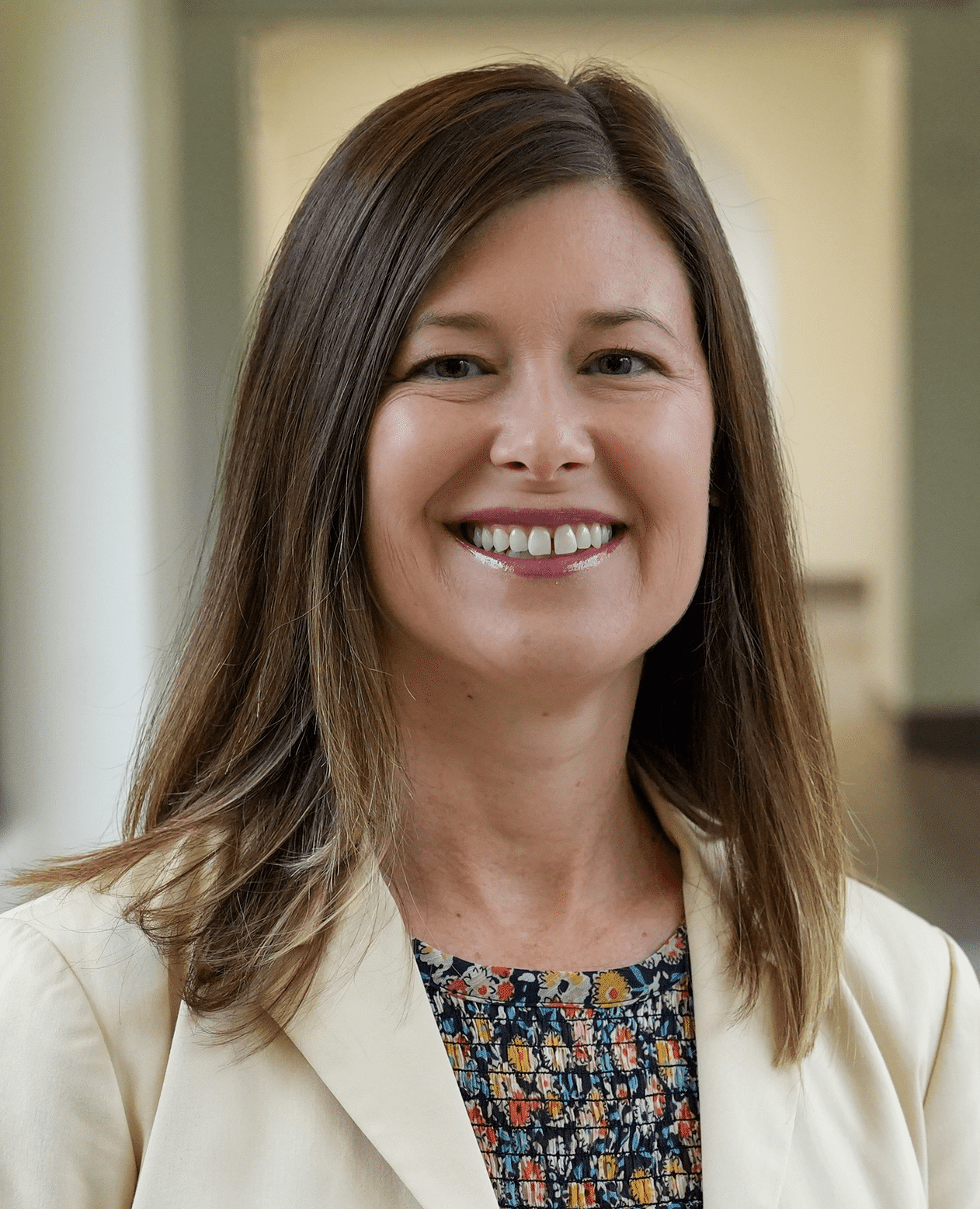
Jocelyn Washburn, Ph.D., is an assistant research professor, co-director and director of professional development at the Center for Research on Learning at The University of Kansas. Her research focuses on adolescent literacy, evidence-based practices, professional learning models, and educator collaboration.

Haiying Long is a professor in the Department of Educational Psychology and director of the Center for Research Methods Consultation at the University of Kansas. Her research focuses on research methodology, measurement, and evaluation.

Amber Rowland, Ph.D., is an associate research professor and associate director at The Center for Research on Learning at the University of Kansas. Her work focuses on building educator capacity through innovative models using virtual coaching, communities of practice, artificial intelligence, and extended reality.
Categories: Coaching, Instructional materials/curriculum, Online learning


CURRENT ISSUE
Recent Issues

APPLYING THE SCIENCE OF LEARNING
April 2026
Cognitive science illuminates how people learn. This issue shows how...

LEARNING WITH AI
February 2026
Generative AI can be a powerful tool for professional learning design and...

WHAT STUDENTS NEED NOW
December 2025
For all students to thrive, we need to understand who they are and what...
LEARNING COMMUNITIES FOR LEADERS
October 2025
Leaders need opportunities to connect, learn, and grow with peers just as...
