
FOCUS
Communities of practice empower teachers to tackle thorny problems
By Thomas R. Feller Jr., Elizabeth Myers and Ashley Smith
Categories: Collaboration, Learning communities, Learning systems/planningFebruary 2022

One of the most effective forms of professional learning happens when teachers conduct collaborative inquiry in their own classrooms around difficult and challenging topics — even topics that are potentially divisive. We’ve seen this powerful process at work in our district in Pitt County, North Carolina, where teachers became collaborative researchers and addressed instructional problems of practice in their own classrooms. They developed and used skills to better understand diverse perspectives, analyzed data to efficiently examine possible causes, and engaged in a collaborative cycle of inquiry to investigate and address the underlying issues. We found that this process leads to positive changes, even in areas that are complex and sometimes conflictual. Problems of practice are, by definition, persistent and not easy to solve, and many
Read the remaining content with membership access. Join or log in below to continue.
Sed ut perspiciatis unde omnis iste natus error sit voluptatem accusantium doloremque laudantium, totam rem aperiam, eaque ipsa quae ab illo inventore veritatis et quasi architecto beatae vitae dicta sunt explicabo. Nemo enim ipsam voluptatem quia voluptas sit aspernatur aut odit aut fugit, sed quia consequuntur magni dolores eos qui ratione voluptatem sequi nesciunt. Neque porro quisquam est, qui dolorem ipsum quia dolor sit amet, consectetur, adipisci velit, sed quia non numquam eius modi tempora incidunt ut labore et dolore magnam aliquam quaerat voluptatem.
References
Bach, R. (2017, December 5). Go slow … to go fast! [Blog post]. medium.com/@reganbach/go-slow-to-go-fast-8c3055e723ed
MacDonald, E. (2011). When nice won’t suffice. JSD, 32(3). lf.wphlab.com/journal/teacher-leadership/when-nice-wont-suffice/
Measurement Incorporated. (2018). R3 framework: Recruit, retain, and reward annual evaluation report.drive.google.com/file/d/1U-BH_00pQl5to4lIai-HYdaS1JZkQMVs/view
Measurement Incorporated. (2019). R3 framework: Recruit, retain, and reward annual evaluation report. drive.google.com/file/d/199wbuT_d_Oel5To6XaldmFNvXLkPAfK4/view
Measurement Incorporated. (2020). R3 framework: Recruit, retain, and reward annual evaluation report.drive.google.com/file/d/1m_s8hNKiIpnUHUHY8wILt1jng50sbw0D
/view
Pitt County Schools. (2020). Transitioning 8th grade students to high school [Livebinder Results]. www.livebinders.com/play/play?id=2529570

Thomas R. Feller, Jr., Ed.D., PCC, IAC-CC, serves as the Director of School Innovation and Transformation for Pitt County Schools in Greenville, North Carolina.
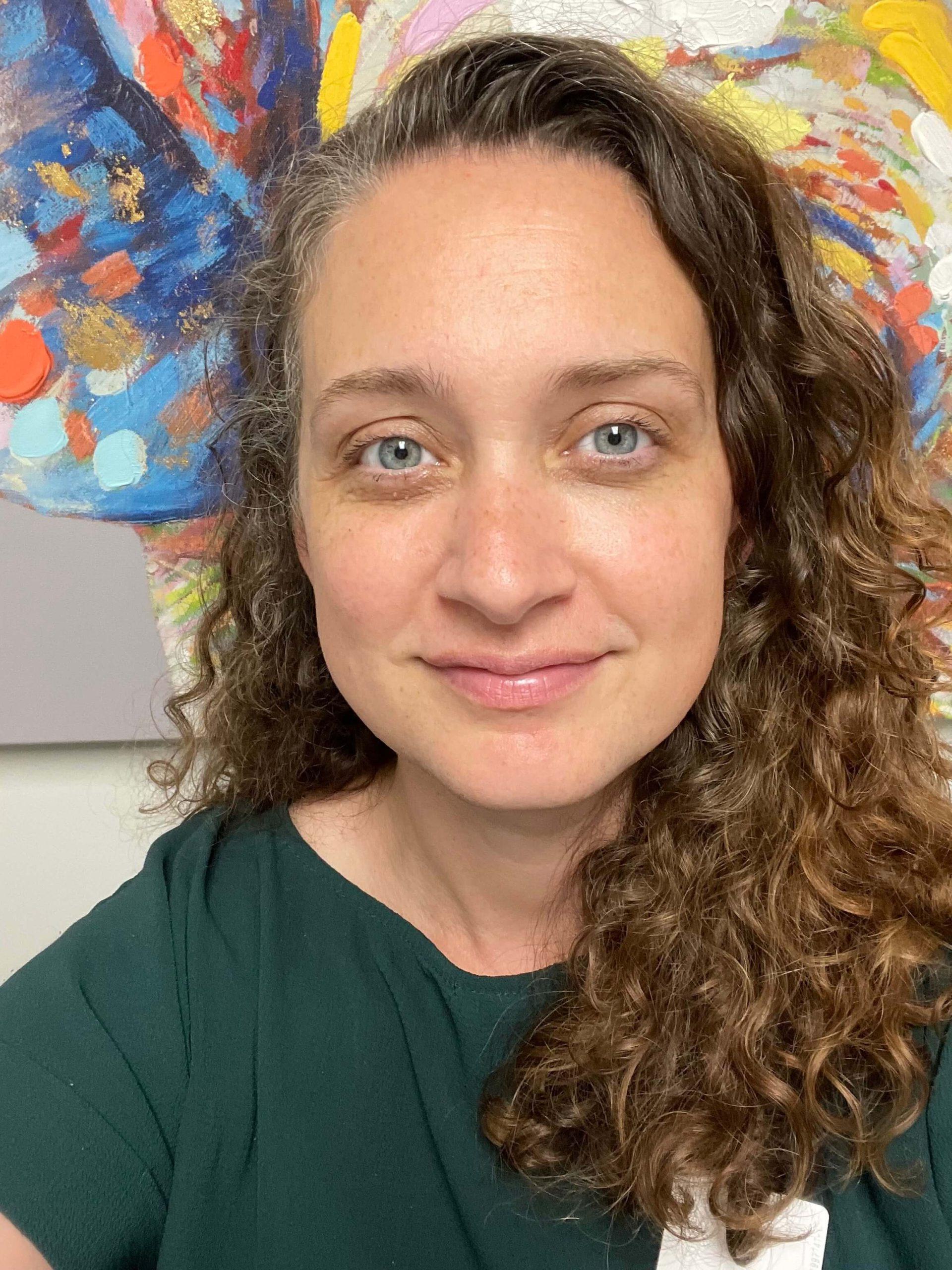
Elizabeth Myers ([email protected]) is a career pathways specialist in Pitt County Schools in North Carolina.
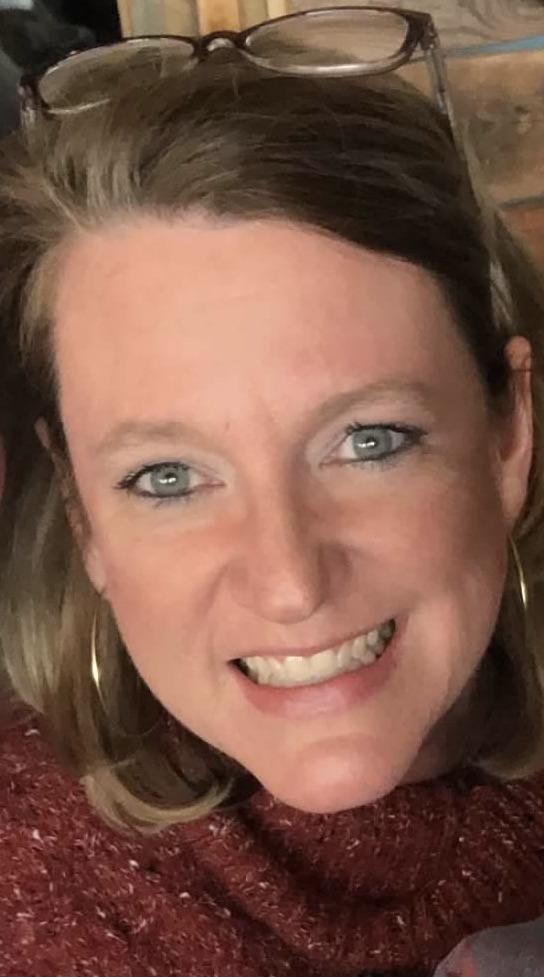
Ashley Smith ([email protected]) is a career pathways specialist in Pitt County Schools in North Carolina.
Categories: Collaboration, Learning communities, Learning systems/planning


CURRENT ISSUE

Recent Issues

APPLYING THE SCIENCE OF LEARNING
April 2026
Cognitive science illuminates how people learn. This issue shows how...

LEARNING WITH AI
February 2026
Generative AI can be a powerful tool for professional learning design and...

WHAT STUDENTS NEED NOW
December 2025
For all students to thrive, we need to understand who they are and what...
LEARNING COMMUNITIES FOR LEADERS
October 2025
Leaders need opportunities to connect, learn, and grow with peers just as...
