

FOCUS
Tackling instructional mismatch
Targeted, intentional learning can build leaders' content knowledge
By Sarah Quebec Fuentes and Jo Beth Jimerson
Categories: Leadership, Learning designs, School leadershipOctober 2019

Vol. 40, No. 5
At the heart of effective school leadership are robust instructional leadership practices. An emphasis on instructional leadership is neither new nor simple. We’ve spent the last several years talking with teachers, school leaders, and content experts about how they engage in instructional leadership and the challenges with which they struggle. One takeaway from this work is that much, if not most, of the time, leaders are engaging in their work within a context of instructional mismatch. Most leaders end up working either with teachers in grade levels they did not teach (e.g. a secondary teacher who becomes an elementary school administrator) or with teachers in unfamiliar content areas (e.g. a former mathematics teacher who supervises social studies and English language arts teachers). This was the
Read the remaining content with membership access. Join or log in below to continue.
Sed ut perspiciatis unde omnis iste natus error sit voluptatem accusantium doloremque laudantium, totam rem aperiam, eaque ipsa quae ab illo inventore veritatis et quasi architecto beatae vitae dicta sunt explicabo. Nemo enim ipsam voluptatem quia voluptas sit aspernatur aut odit aut fugit, sed quia consequuntur magni dolores eos qui ratione voluptatem sequi nesciunt. Neque porro quisquam est, qui dolorem ipsum quia dolor sit amet, consectetur, adipisci velit, sed quia non numquam eius modi tempora incidunt ut labore et dolore magnam aliquam quaerat voluptatem.
References
Bauml, M. (2016). Is it cute or does it count? Learning to teach for meaningful social studies in elementary grades. The Journal of Social Studies Research, 40(1), 55-69.
Black, P., Harrison, C., Lee, C., Marshall, B., & Wiliam, D. (2004). Working inside the black box: Assessment for learning in the classroom. Phi Delta Kappan, 86(1), 8-21.
Boaler, J. (2016). Mathematical mindsets. San Francisco, CA: Jossey-Bass.
Lochmiller, C.R. (2019). Credibility in instructional supervision: A catalyst for differentiated supervision. In M.I. Derrington and J. Brandon (Eds.), Differentiated Teacher Evaluation and Professional Learning (pp. 83-105). Palgrave Studies on Leadership and Learning in Teacher Education. New York, NY: Palgrave Macmillan.
National Council of Teachers of Mathematics. (2014). Principles to actions: Ensuring mathematical success for all. Reston, VA: Author.
Seeley, C.S. (2016). Building a math-positive culture: How to support great math teaching in your school. Alexandria, VA: ASCD.
Shulman, L. (1986). Those who understand: Knowledge growth in teaching. Educational Researcher, 15, 4-14.
Shulman, L. (1987). Knowledge and teaching: Foundations of the new reform. Harvard Educational Review, 57(1), 1-22.
Stein, M.K. & Nelson, B.S. (2003). Leadership content knowledge. Educational Evaluation and Policy Analysis, 25(4), 423-44.
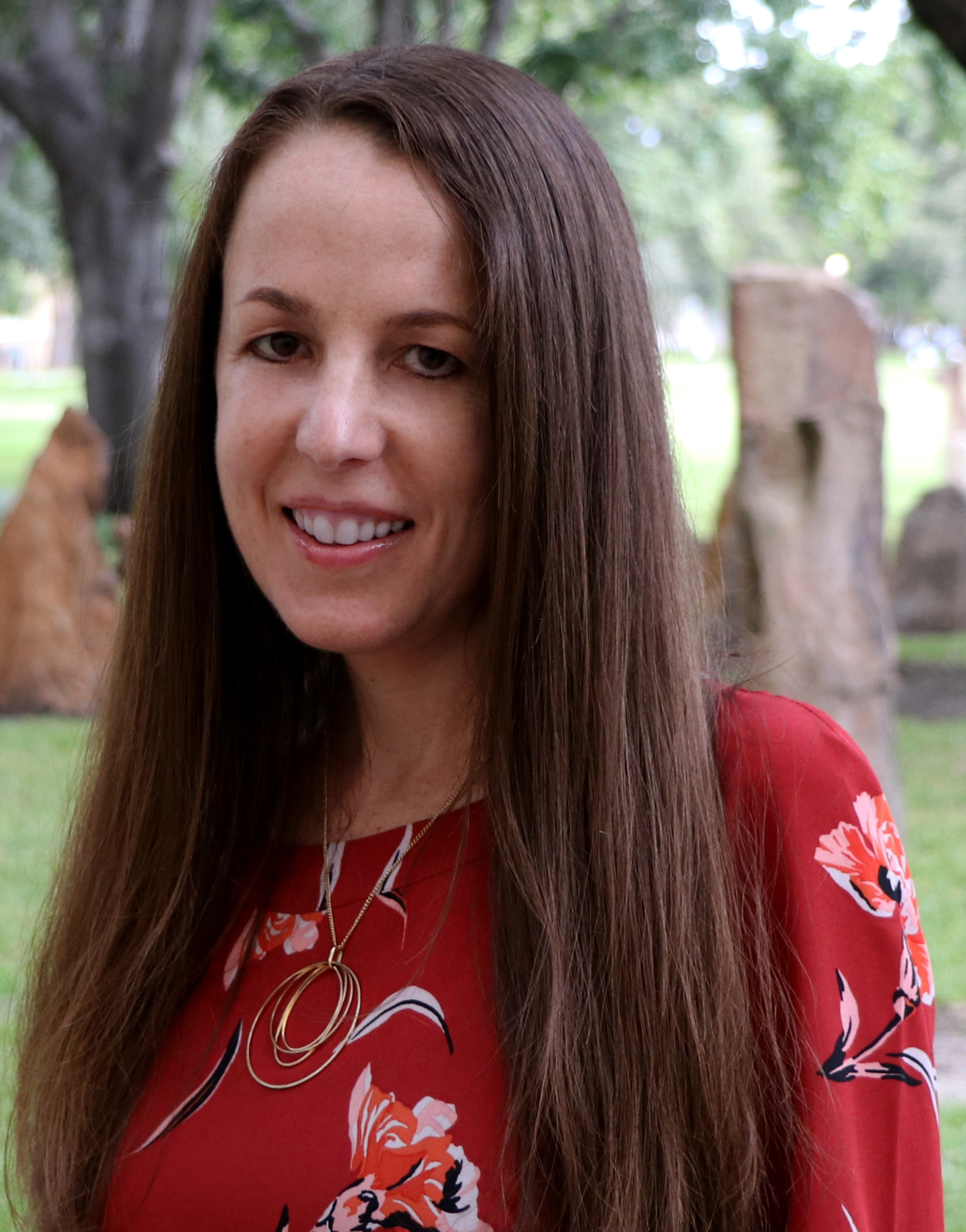
Sarah Quebec Fuentes ([email protected]) is a professor in mathematics education at Texas Christian University.

Jo Beth Jimerson ([email protected]) is a professor and the Betty F. Adams chair of education at Texas Christian University.
Categories: Leadership, Learning designs, School leadership


CURRENT ISSUE

Recent Issues

APPLYING THE SCIENCE OF LEARNING
April 2026
Cognitive science illuminates how people learn. This issue shows how...

LEARNING WITH AI
February 2026
Generative AI can be a powerful tool for professional learning design and...

WHAT STUDENTS NEED NOW
December 2025
For all students to thrive, we need to understand who they are and what...

LEARNING COMMUNITIES FOR LEADERS
October 2025
Leaders need opportunities to connect, learn, and grow with peers just as...
